A New Path Forward for Depression & OCD
Transcranial Magnetic Stimulation (TMS) is a non-invasive treatment that uses gentle magnetic pulses to activate & strengthen areas of the brain involved in mood regulation.
There’s no medication, no anesthesia, and no downtime—most people return to normal activities immediately after their session .
It’s an FDA-cleared, evidence-based option for people who haven’t found relief from antidepressants.
Find relief with FDA-cleared NeuroStar® TMS — a safe, medication-free neurotherapy used by thousands to overcome treatment-resistant depression & OCD.
X
Get Started
Is NeuroStar® TMS right for you?
⤷ Therapy hasn’t provided significant relief
⤷ You want a non-invasive, medication-free treatment option
You may be a good candidate for TMS if:
⤷ You are diagnosed with MDD or OCD
⤷ Medication trials were ineffective or produced unwanted side effects
TMS is FDA-cleared for adults & adolescents 15+ and may be covered by insurance.
What to expect?
Intake & Mapping
-
Your first visit is a TMS-specific intake where we:
Review your symptoms, treatment history, and personal goals
Complete additional assessments and screening
Explain how TMS works and walk you through the full treatment process
Set expectations—for what our team will provide and what we ask from you
Answer any questions so you feel informed and prepared
This visit ensures we understand your clinical picture and set the foundation for successful treatment.
-
During mapping, we customize your treatment based on your unique brain anatomy:
You sit comfortably while the provider uses gentle magnetic pulses to identify the correct treatment location
We determine your motor threshold, which sets your individualized stimulation level
We save your coil position, chair settings, and coordinates so every session is precise and consistent
Mapping is painless, highly personalized, and essential for effective treatment
This step ensures your NeuroStar® treatments are tailored specifically to you.

Daily Treatment Sessions
-
During your daily TMS sessions:
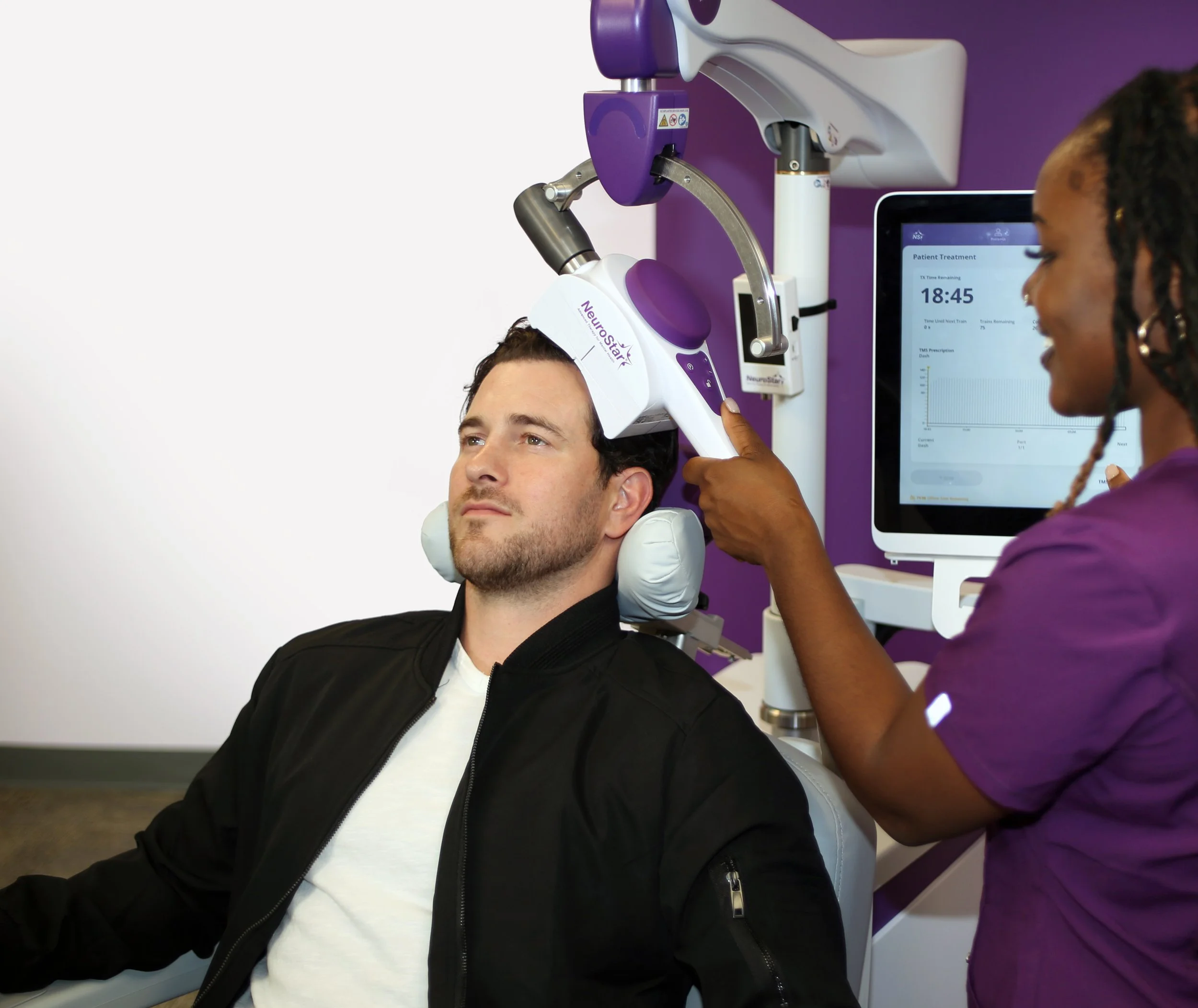
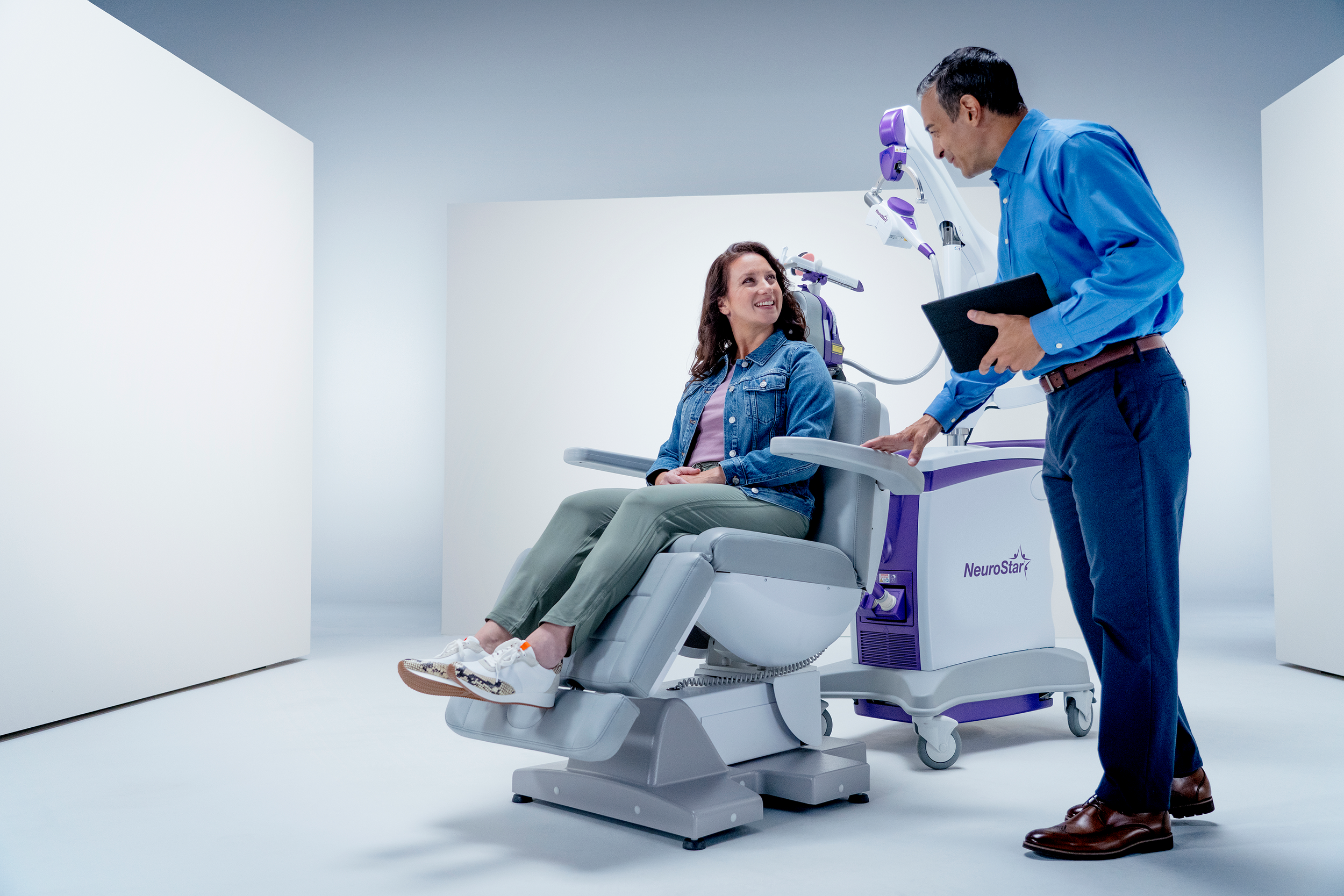
You’ll sit in a comfortable reclined chair
The NeuroStar® coil rests lightly against your head
You’ll feel a light tapping sensation on the scalp (painless)
You can chat with your provider, watch TV, listen to music, read, or simply rest
You stay fully awake and alert with no sedation or medication required
No downtime—you can return to work, errands, or driving immediately
Most clients settle in quickly and find the routine comfortable and predictable.
-
Your daily treatment schedule includes:
19–37 minute sessions, depending on your individualized settings
Treatment 5 days per week
A full course lasting 6–8 weeks, based on your clinical needs
Flexible scheduling to help you stay consistent
Consistency is essential, and our team works with you to make attending each session as smooth and manageable as possible.

Monitoring & Support
-
Throughout your treatment, we closely monitor your progress to ensure you’re moving in the right direction:
Weekly PHQ-9 assessments to measure symptom changes
Regular check-ins to discuss mood, energy, motivation, and overall functioning
Tracking your response trends across the full treatment course
Reviewing early signs of improvement, which many clients notice within the first few weeks
This ongoing evaluation helps us confirm that TMS is working effectively for you.
-
We continuously tailor your treatment experience to maximize comfort and results:
Adjusting stimulation levels as needed for comfort and clinical benefit
Ensuring coil placement and chair settings stay precise and consistent
Completing a re-mapping if necessary to continuously maximize treatment benefit
Providing a predictable, & supportive environment every time you come in
Our goal is to make each session comfortable, effective, and aligned with your personal progress.
-
For people who have not found relief with antidepressants, NeuroStar is a safe and proven depression treatment without the systemic side effects of medication. Over 5 million NeuroStar Advanced TMS treatments have been performed in over 134,000 patients.
-
Most people describe TMS as a light tapping sensation on the scalp. Some may feel mild discomfort during the first few sessions, but this typically fades within the first week as your body adjusts.
-
⤷ Yes! Most major insurance providers cover TMS when medical criteria are met. Our team handles all benefit checks, authorizations, and required documentation on your behalf.
-
Mental Edge Counseling provides a personalized, high-support TMS experience backed by one of the most established outpatient mental health practices in the region. Using the trusted NeuroStar® system, we offer a calm, private treatment environment designed for comfort, consistency, and confidence.
Founded in 2015, MEC has grown into a respected practice with 40+ clinicians trained in 20+ specialties. We’ve earned community trust through multiple recognitions, including being voted a 2025 Stars of Delaware award winner (Company over 50 Employees), maintaining a BBB A+ rating for over three years, and being a Certified Better Place to Work for multiple years.
Our experienced in-house billing team and extensive administrative resources help ensure a smooth, fully supported treatment process — from eligibility and insurance authorization to daily sessions and weekly progress tracking. You’ll work with the same trained providers each day, ensuring predictable care and clear communication throughout your entire TMS journey.
See more Frequently Asked Questions (FAQ)
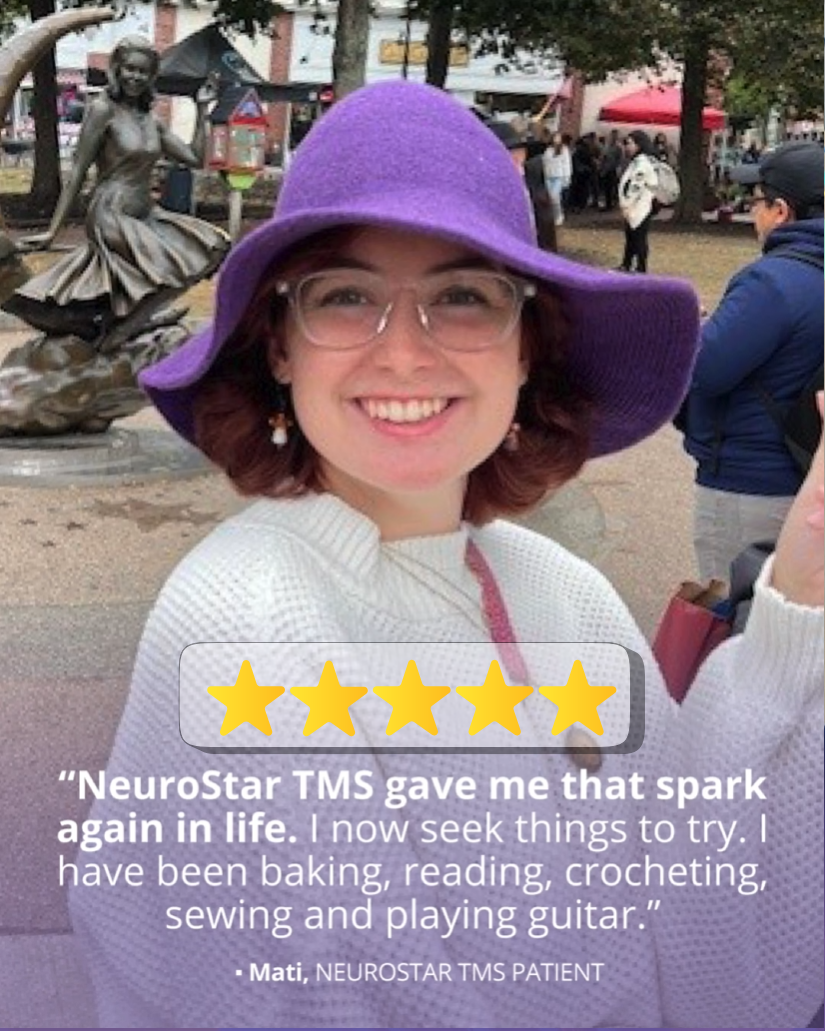
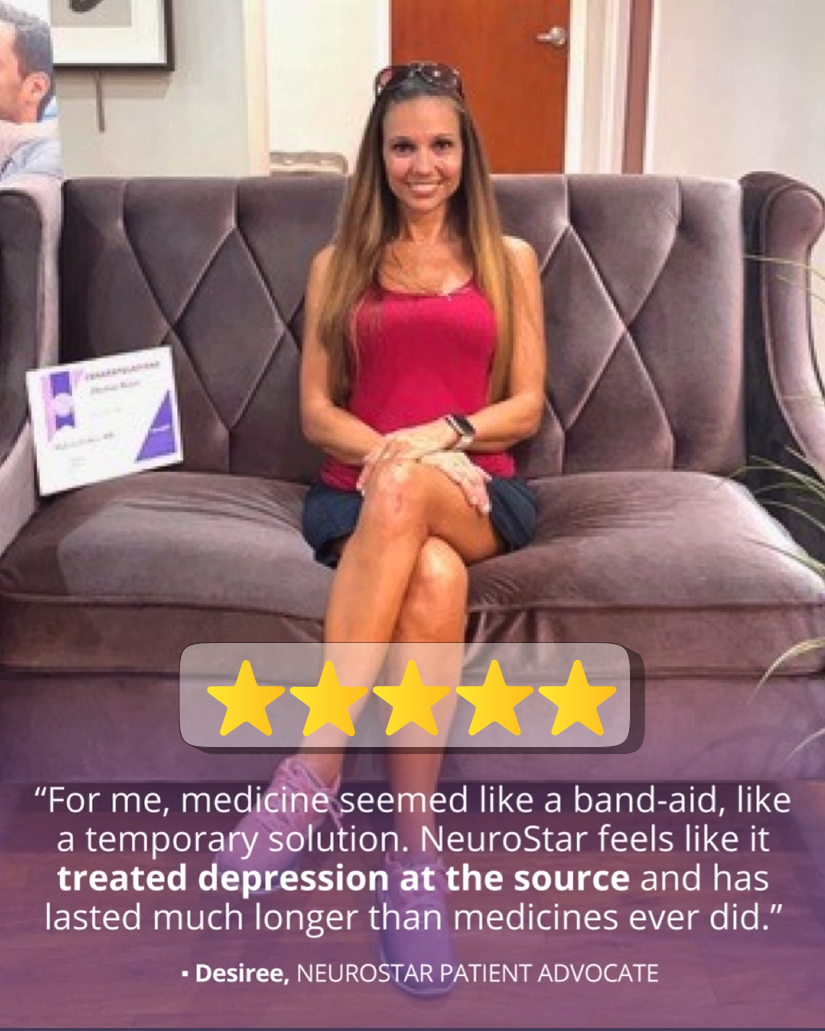
NeuroStar® Treatment Results & Outcomes



Insurance, Coverage, and Cost
We’re in-network with most major insurance providers.




We work with these insurance providers & more to help make NeuroStar® TMS accessible and affordable.
If eligible for treatment, our team verifies your coverage and manages authorization on your behalf.
FAQ
-
⤷ NeuroStar TMS is a non-drug, noninvasive treatment that uses focused magnetic fields to revitalize underactive areas of the brain to improve symptoms of depression. NeuroStar is a safe, effective depression / OCD treatment for people who have not found relief from antidepressants.
-
⤷ NeuroStar uses focused magnetic pulses (similar in strength to an MRI), to revitalize underactive areas of the brain involved in regulating mood. When these regions are underactive, depression / OCD can result. “Waking up” these regions can have a lasting effect on depression, making long-term remission from depression / OCD a reality for many people.
-
Mental Edge Counseling provides a personalized, high-support TMS experience backed by one of the most established outpatient mental health practices in the region. Using the trusted NeuroStar® system, we offer a calm, private treatment environment designed for comfort, consistency, and confidence.
Founded in 2015, MEC has grown into a respected practice with 40+ clinicians trained in 20+ specialties. We’ve earned community trust through multiple recognitions, including being voted a 2025 Stars of Delaware award winner (Company over 50 Employees), maintaining a BBB A+ rating for over three years, and being a Certified Better Place to Work for multiple years.
Our experienced in-house billing team and extensive administrative resources help ensure a smooth, fully supported treatment process — from eligibility and insurance authorization to daily sessions and weekly progress tracking. You’ll work with the same trained providers each day, ensuring predictable care and clear communication throughout your entire TMS journey.
-
⤷ For people who have not found relief with antidepressants, NeuroStar is a safe and proven depression treatment without the systemic side effects of medication. Over 5 million NeuroStar Advanced TMS treatments have been performed in over 134,000 patients.
-
⤷ Most people describe TMS as a light tapping sensation on the scalp. Some may feel mild discomfort during the first few sessions, but this typically fades within the first week as your body adjusts.
-
⤷ Yes! Most major insurance providers cover TMS when medical criteria are met. Our team handles all benefit checks, authorizations, and required documentation on your behalf.
-
⤷ A typical NeuroStar treatment plan includes 36 sessions that each last between 19-37 minutes. Your doctor will determine what is right for you. Completing the full NeuroStar treatment course gives the best chance for delivering long-lasting relief from depression.
-
⤷ Many patients start noticing early signs of improvement around 2–3 weeks into treatment, though everyone’s timeline is different. Progress is tracked weekly using PHQ-9 scores and regular check-ins.
-
⤷ Yes. Most patients stay on their current medications throughout treatment unless advised otherwise by their prescribing provider. TMS can be used alone or alongside medication.
-
⤷ The most common side effect is mild scalp discomfort or headache during early sessions. These are temporary and typically resolve within the first week. Serious side effects are extremely rare.
-
Yes! There are many research trials & studies conducted in order to test TMS’s safety & efficacy. Here are a few of our favorite:
Carpenter LL, et al. (2012). Transcranial Magnetic Stimulation (TMS) for Major Depression: A Multisite, Naturalistic, Observational Study of Acute Treatment Outcomes in Clinical Practice. Depression and Anxiety, 29(7):587-596. www.ncbi.nlm.nih.gov/pubmed/22689344
George MS, et al. (2010). Daily Left Prefrontal Transcranial Magnetic Stimulation Therapy for Major Depressive Disorder: A Sham-Controlled Randomized Trial. Arch Gen Psychiatry, 67(5):507-516. www.ncbi.nlm.nih.gov/pubmed/20439832
Dunner DL, et al. (2014). A Multisite, Naturalistic, Observational Study of Transcranial Magnetic Stimulation (TMS) for Patients with Pharmacoresistant Major Depressive Disorder: Durability of Benefit Over a 1-Year Follow-Up Period. J Clin Psychiatry. 75(12):1394-1401. www.ncbi.nlm.nih.gov/pubmed/25271871
O’Reardon JP, et al. (2007). Efficacy and Safety of Transcranial Magnetic Stimulation in the Acute Treatment of Major Depression: A Multisite Randomized Controlled Trial. Biol Psychiatry, 62(11):1208-1216. www.ncbi.nlm.nih.gov/pubmed/17573044
Meet your TMS Team
-
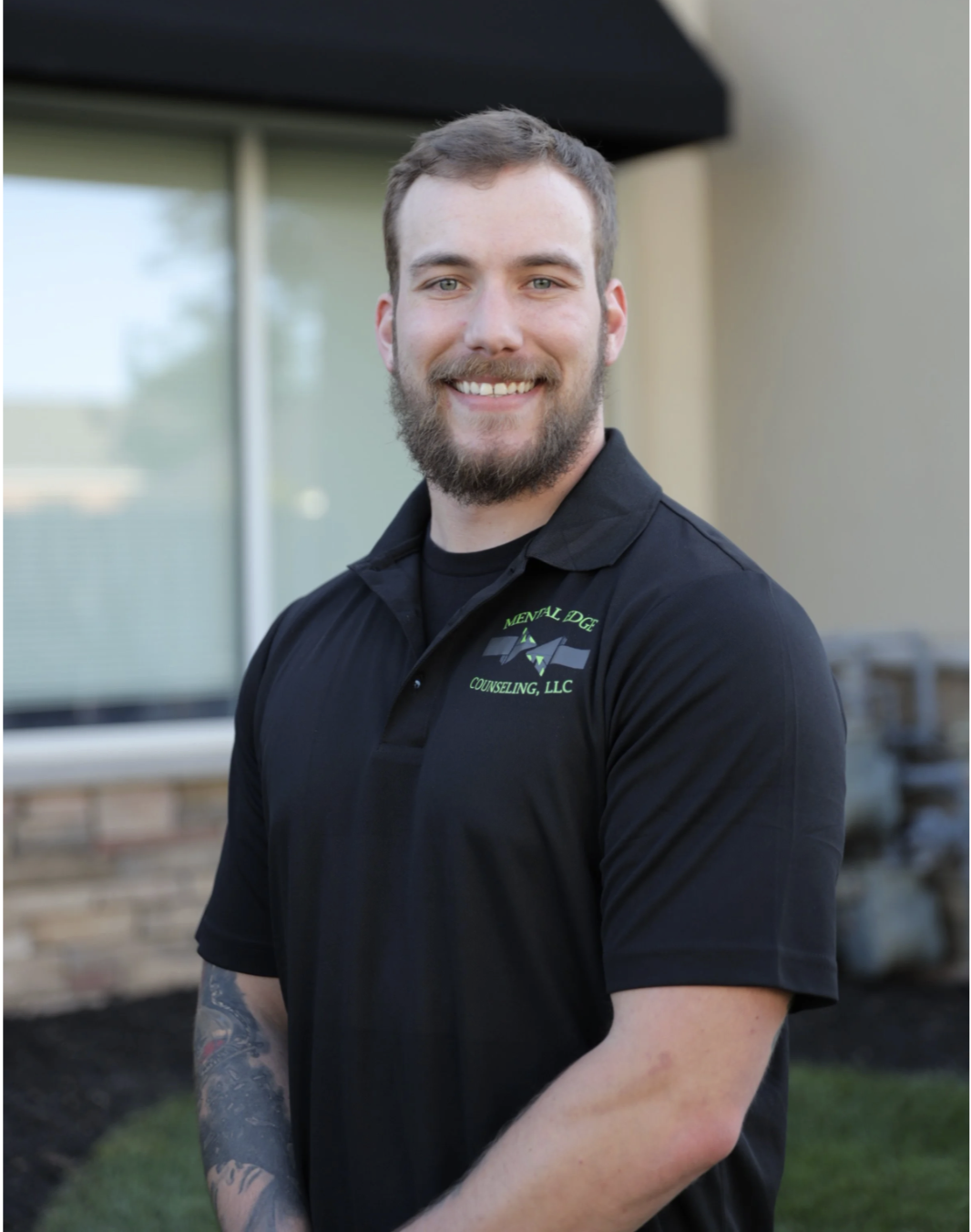
Hunter M
VP OF BUSINESS OPERATIONS
TMS PROGRAM DIRECTOR
-
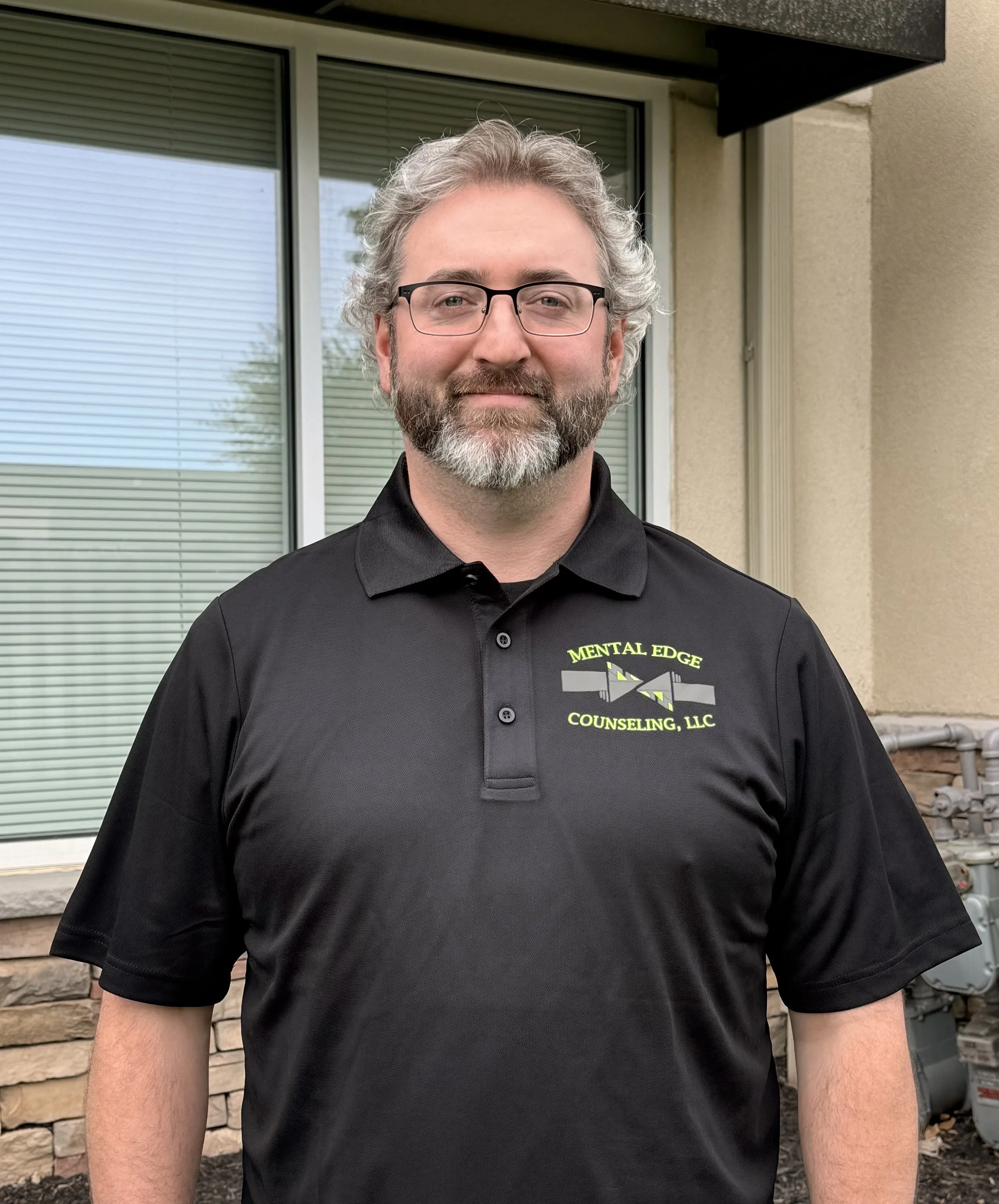
Matthew P
PMHNP
PROGRAM CLINICAL DIRECTOR
-

Dr. Louis P
Psychiatrist
PROGRAM SUPERVISING PHYSICIAN
-
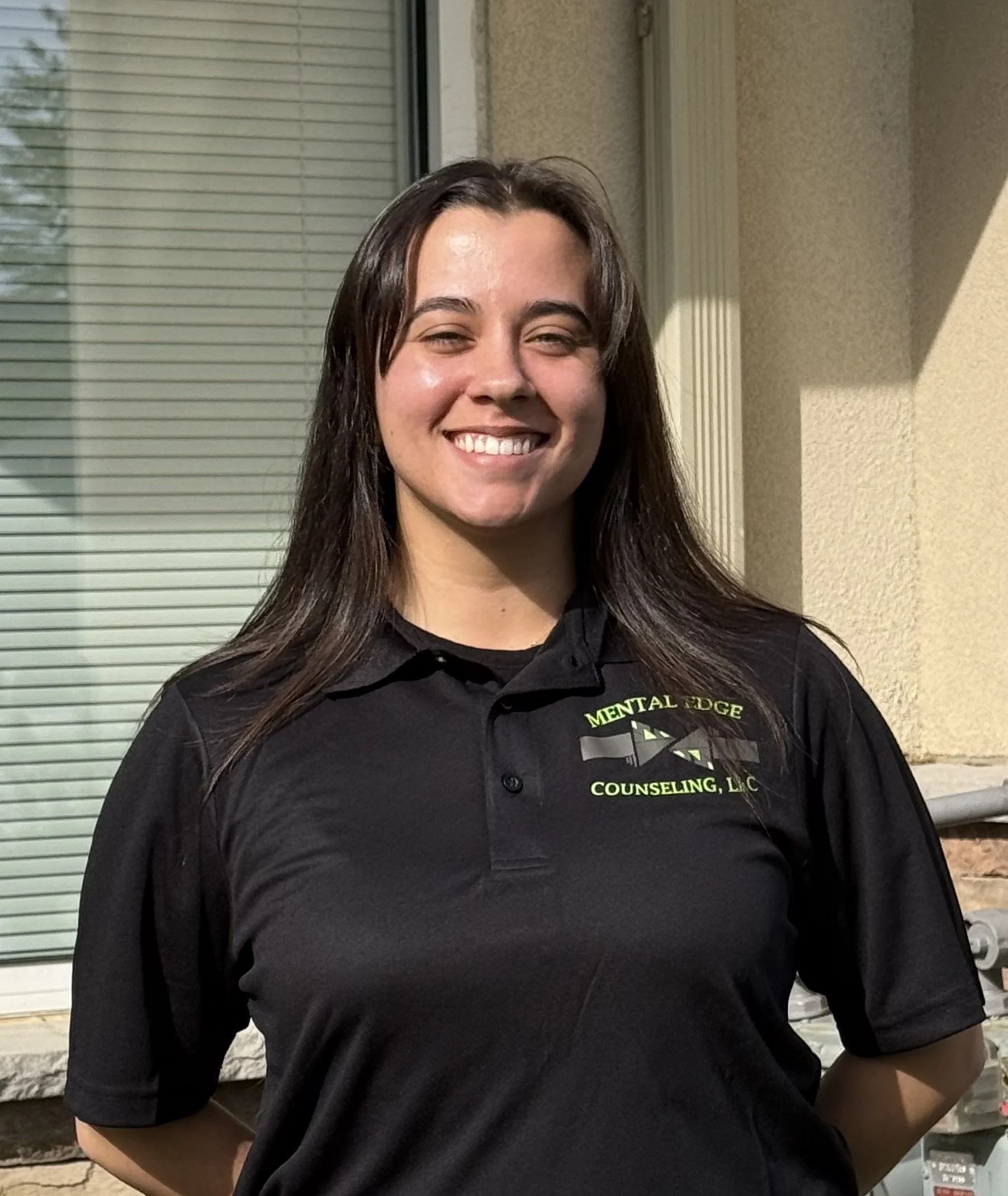
Megan C
BILLING OPERATIONS MANAGER
TMS BILLING SUPERVISOR
-
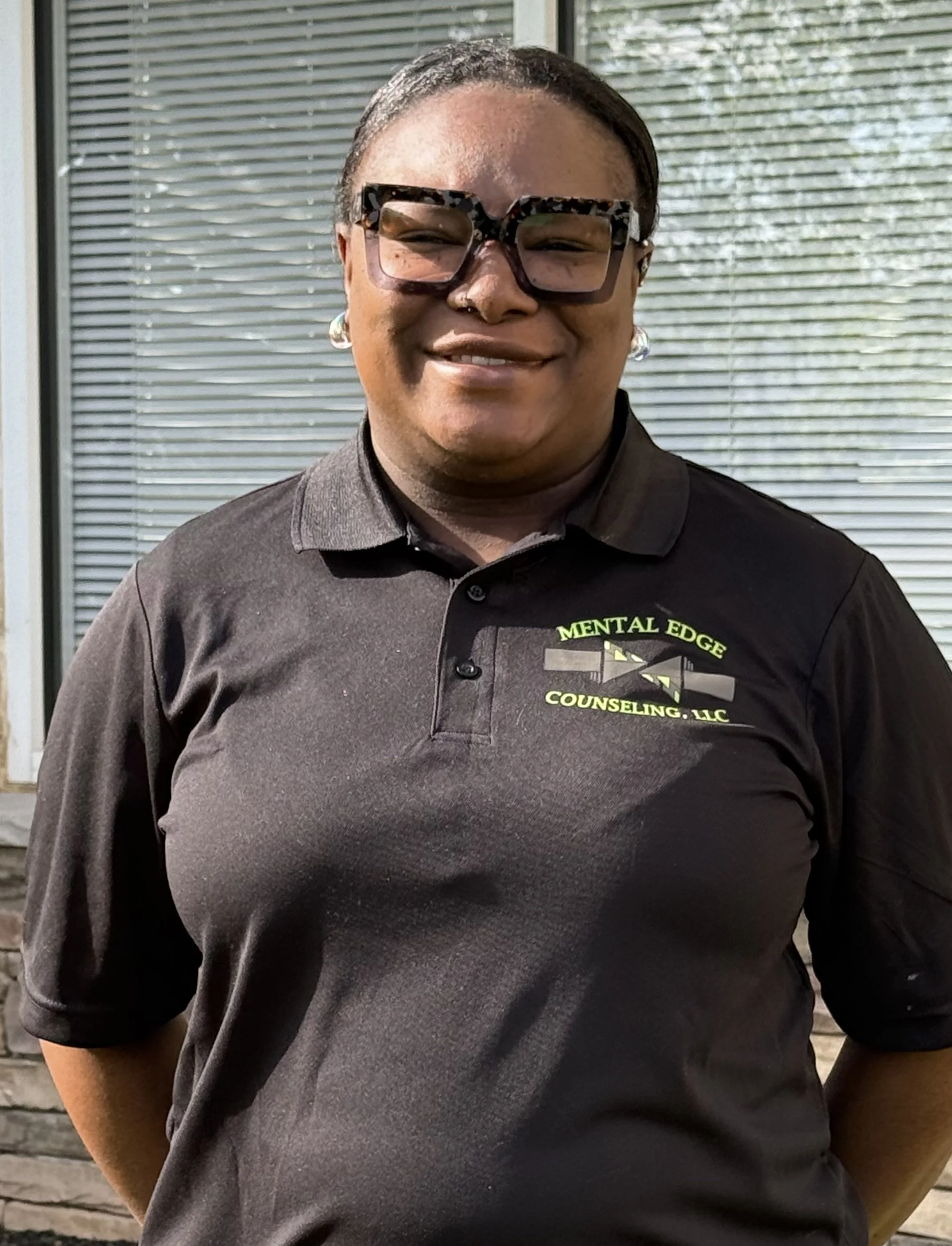
Brittany Z
MEDICAL BILLING SPECIALIST
TMS BILLING COORDINATOR
-
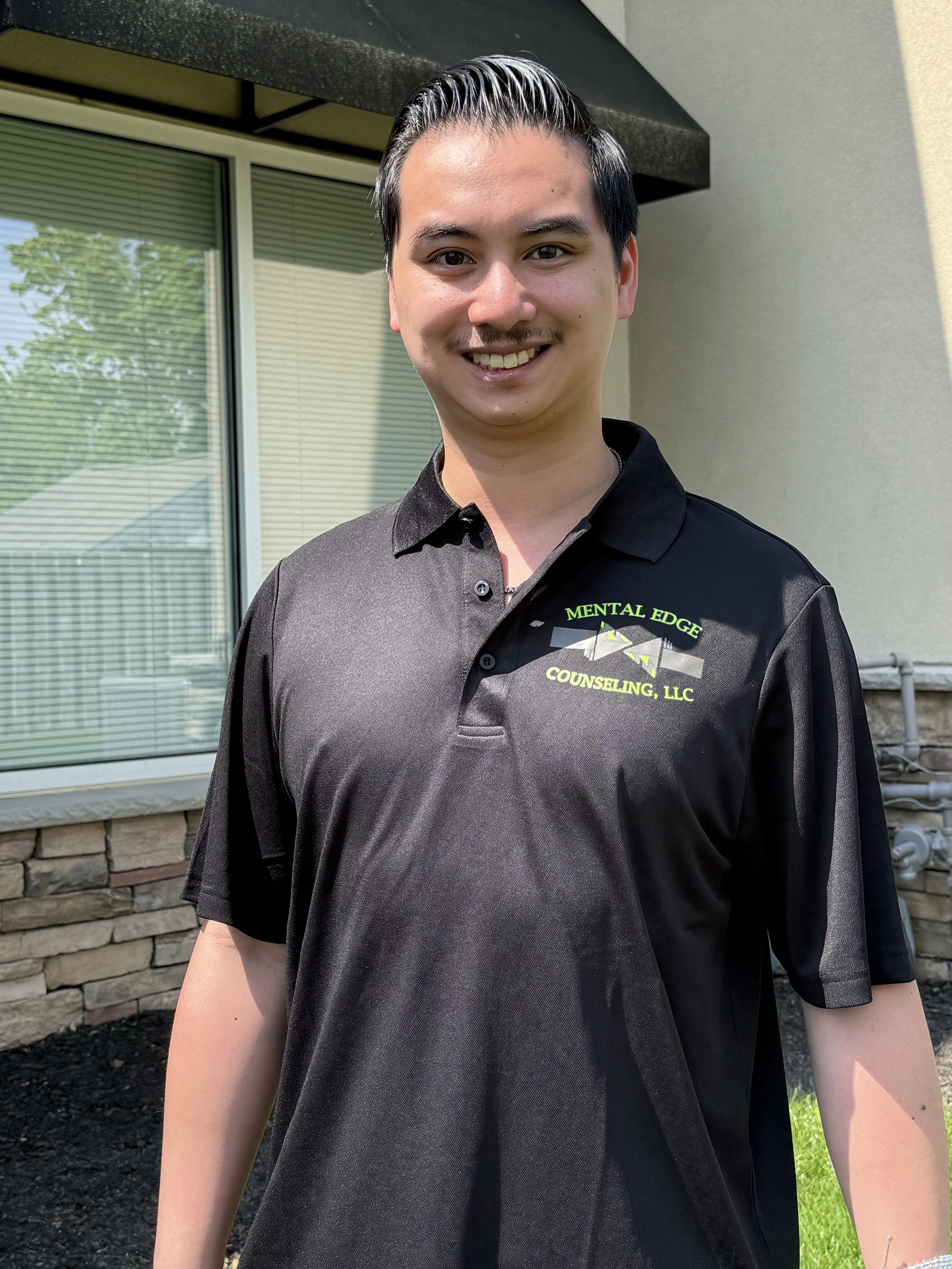
Francis T
ADMINISTRATIVE ASSISTANT
TMS CARE COORDINATOR
-
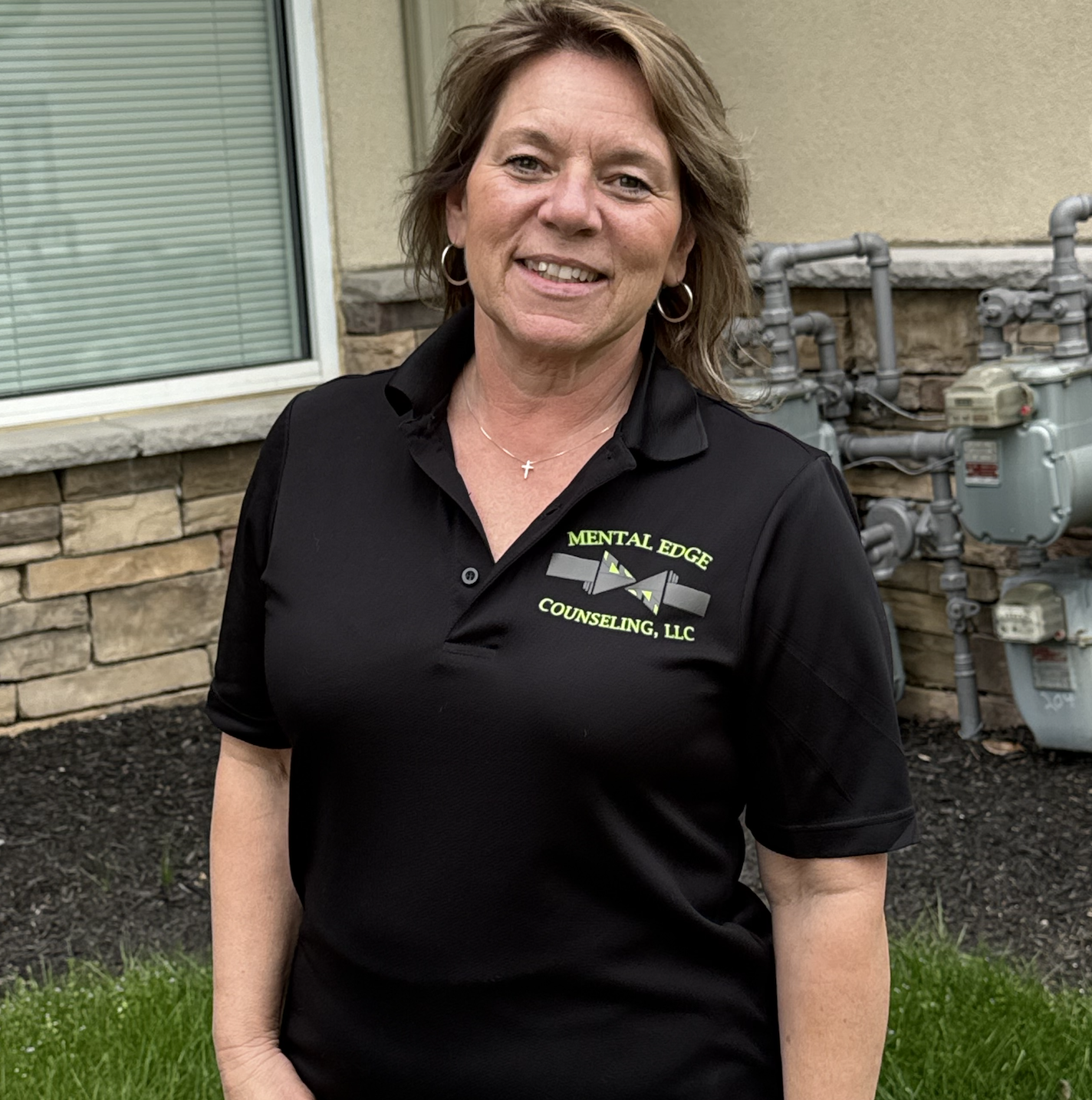
Kristy M
PRACTICE MANAGER
TMS Tech
-
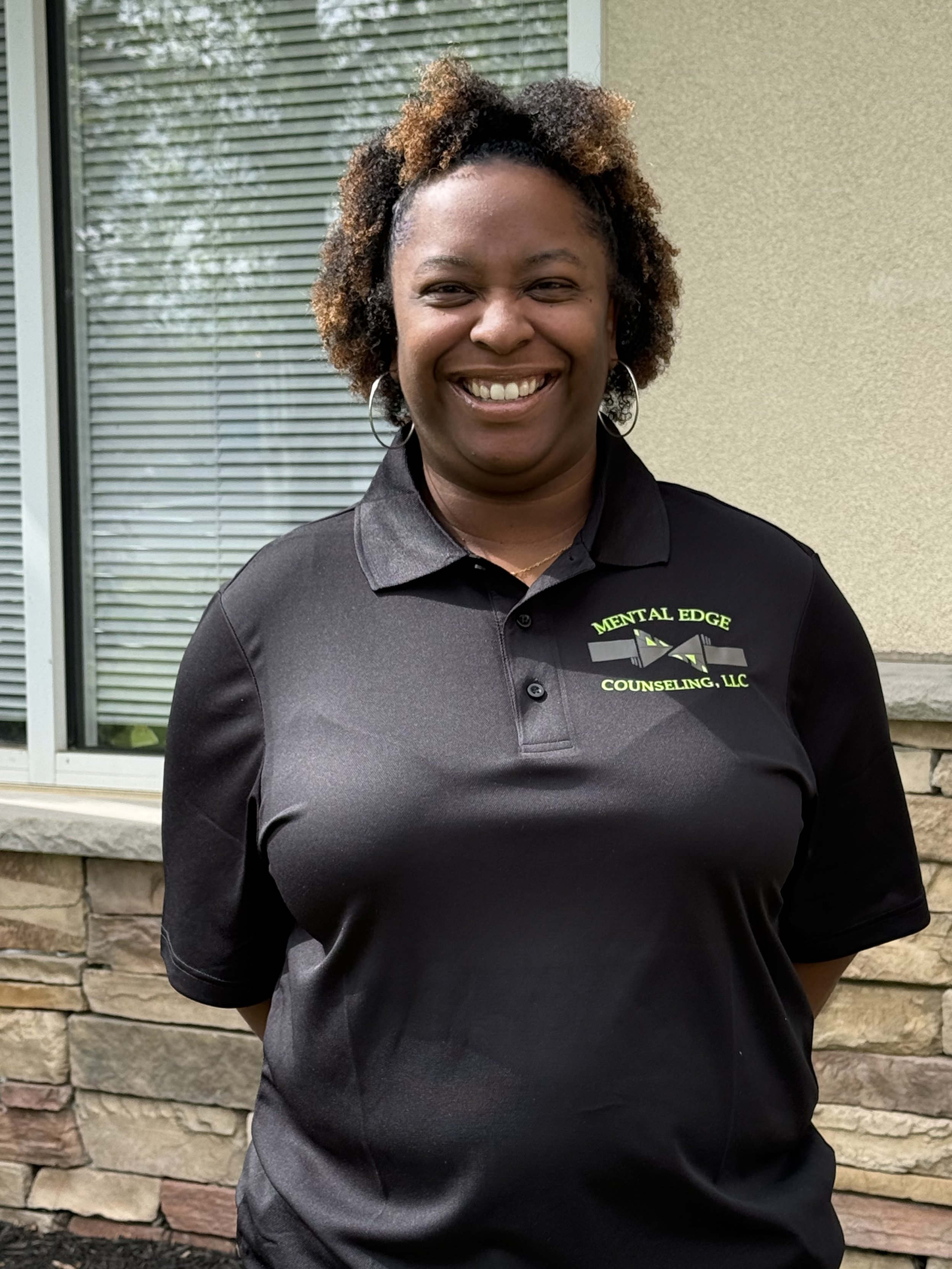
Bridgett C
PBH MOP
TMS TECH
-
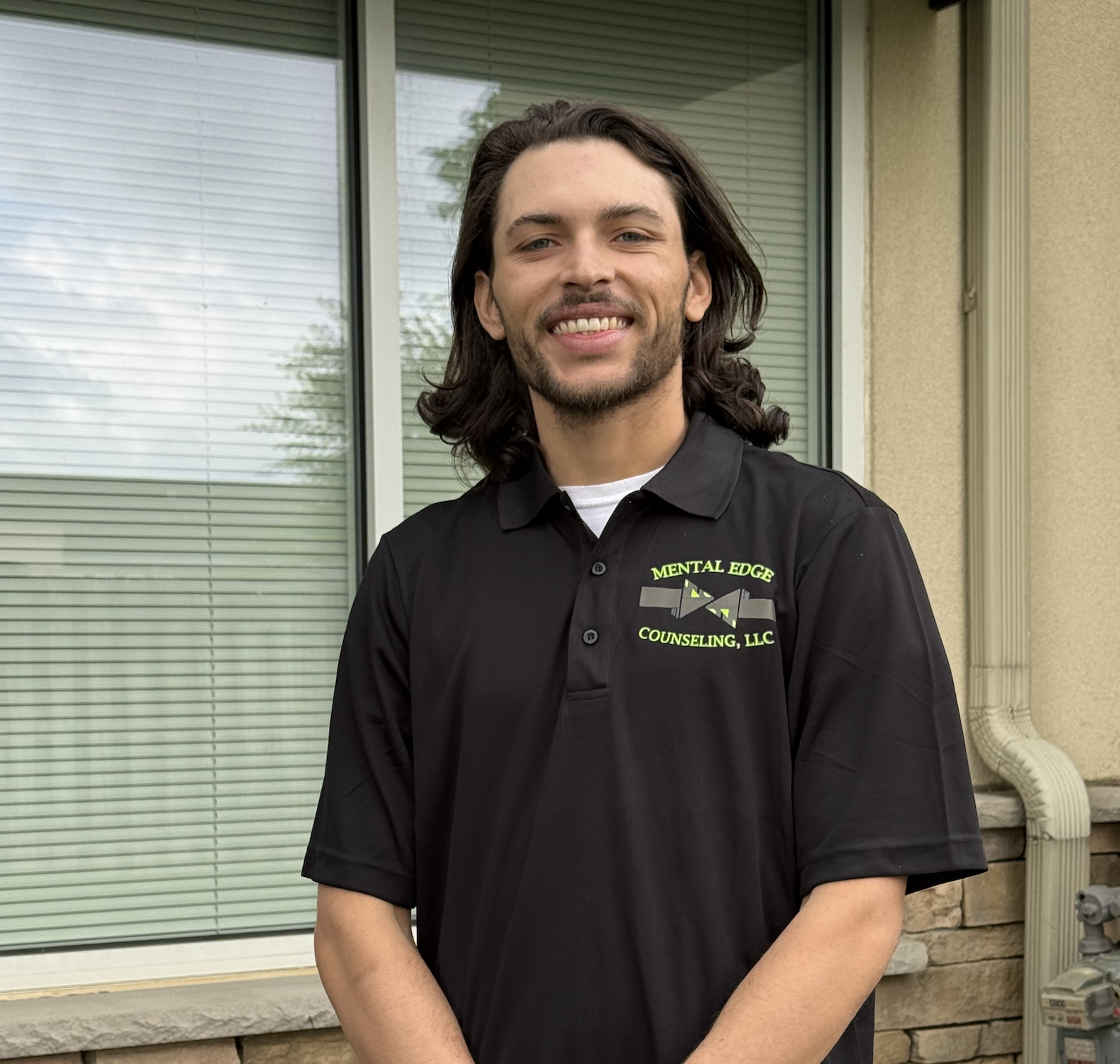
Douglas G
PBH TSF
TMS TECH
-
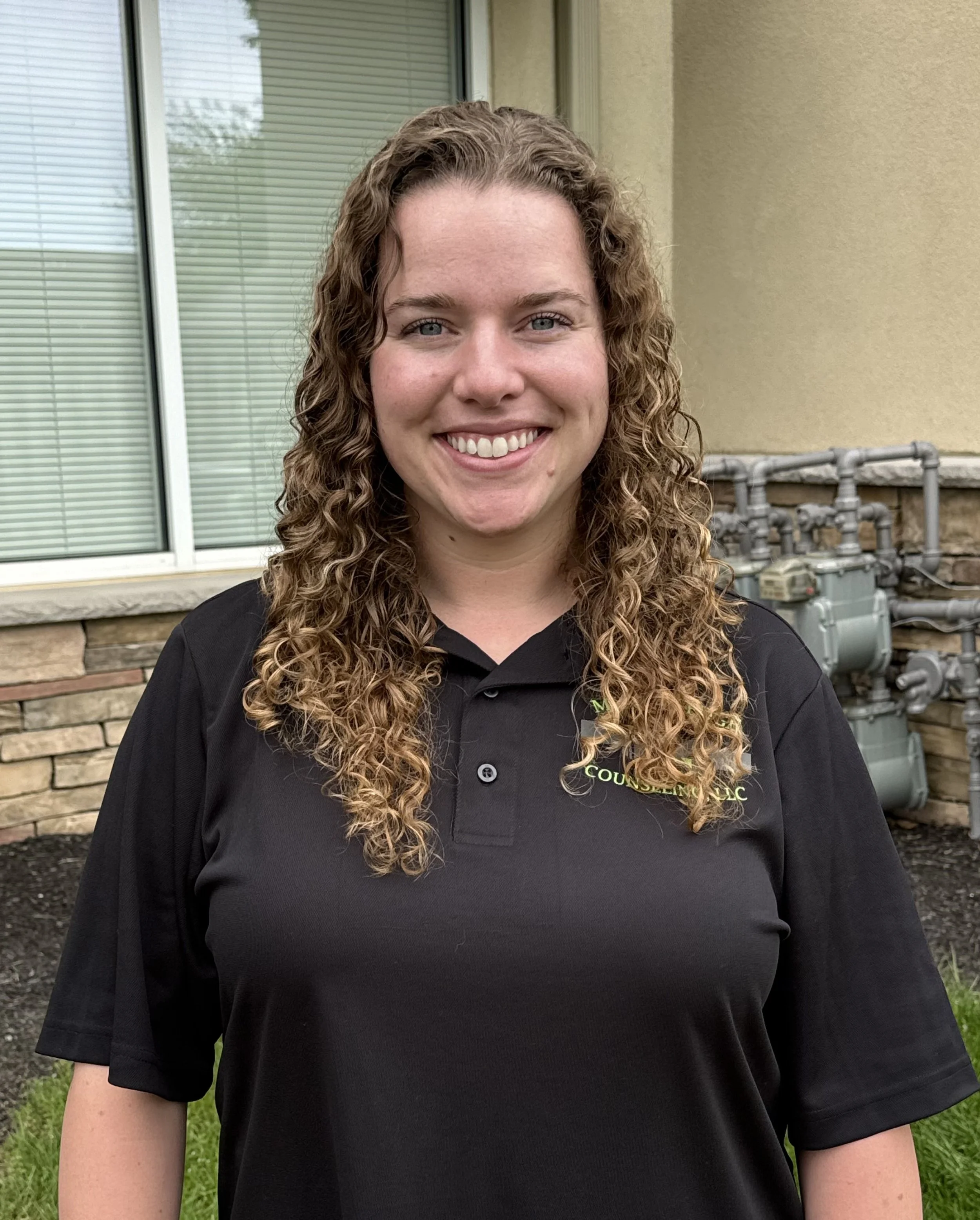
Haley O
OUTPATIENT THERAPIST
TMS TECH
-
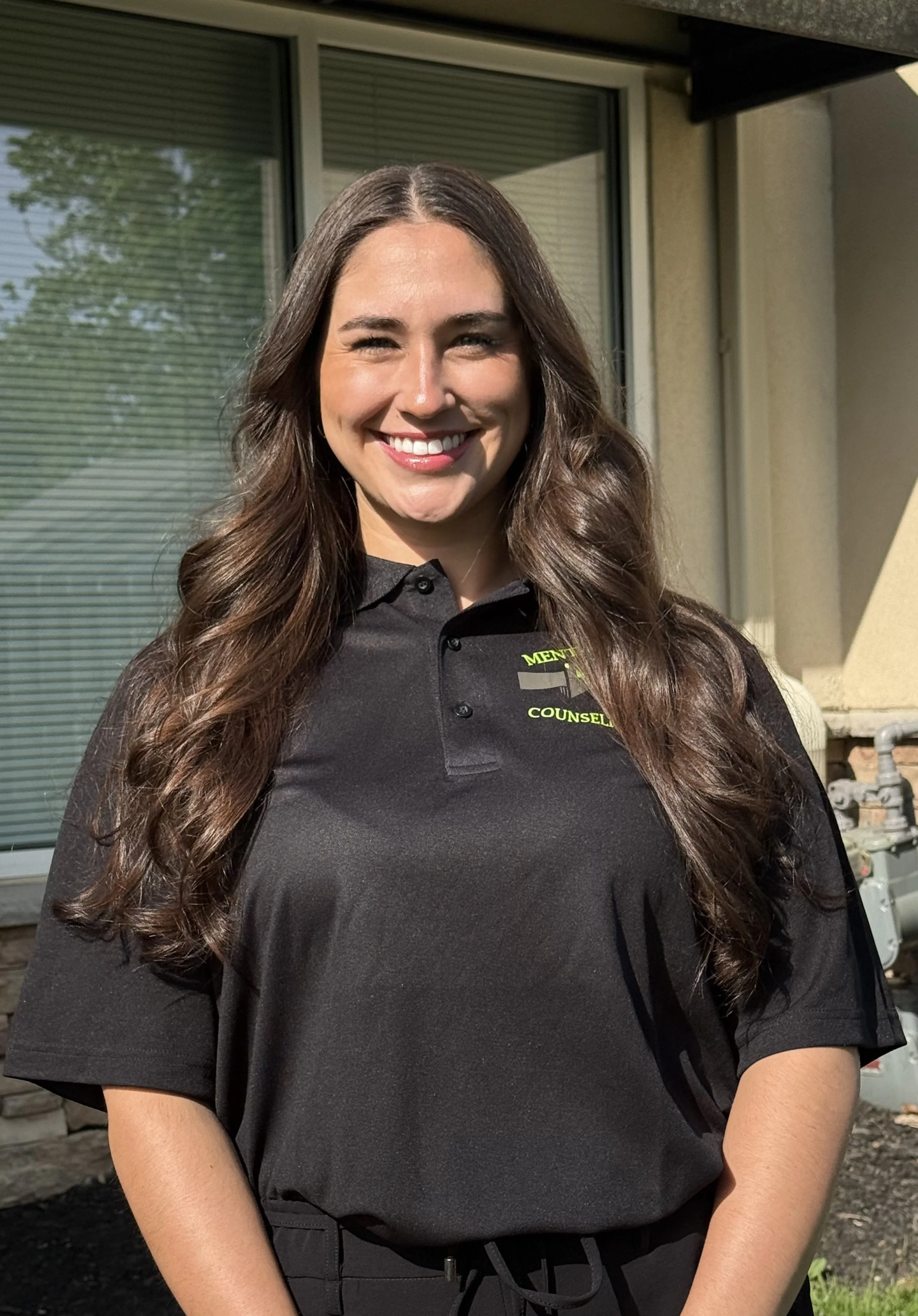
Haley L
MEDICAL COORDINATOR
TMS TECH
Indications & Clinical References
[1] The NeuroStar Advanced Therapy System is indicated for the treatment of depressive episodes and for decreasing anxiety symptoms for those who may exhibit comorbid anxiety symptoms in adult patients suffering from Major Depressive Disorder (MDD) and who failed to achieve satisfactory improvement from previous antidepressant medication treatment in the current episode.
The NeuroStar Advanced Therapy System is intended to be used as an adjunct for the treatment of adult patients suffering from Obsessive-Compulsive Disorder (OCD).
[2] NeuroStar Advanced Therapy is indicated as an adjunct for the treatment of Major Depressive Disorder (MDD) in adolescent patients (15-21).
Important Safety Information
NeuroStar Advanced Therapy is only available by prescription. A doctor can help decide if NeuroStar Advanced Therapy is right for you. Patients’ results may vary.
The most common side effect is pain or discomfort at or near the treatment site. These events are transient; they occur during the TMS treatment course and do not occur for most patients after the first week of treatment. There is a rare risk of seizure associated with the use of TMS therapy (<0.1% per patient).
Visit neurostar.com for full safety and prescribing information.
[3] Outcomes Registry data was published by Sackeim HA, et al. J Affective Disorders, 2020, 277(12):65-74. The outcomes reported represent the subset of study patients for which the CGI-S data was reported before and after an acute course of NeuroStar TMS. Patients were treated under real-world conditions where patients may have been prescribed concomitant depression treatments including medications. “Measurable relief” was defined as a CGI-S score <=3 and “complete remission” was defined as a CGI-S score <=2 at the end of treatment.
[4] NeuroStar Advanced Therapy is only available by prescription. A doctor can help decide if NeuroStar Advanced Therapy is right for you. Patients’ results may vary. Visit neurostar.com for full safety and prescribing information.